About QUARTZ POWDER
Certificate of Analysis
Quartz (Silicon Dioxide, SiO)
Product Description:
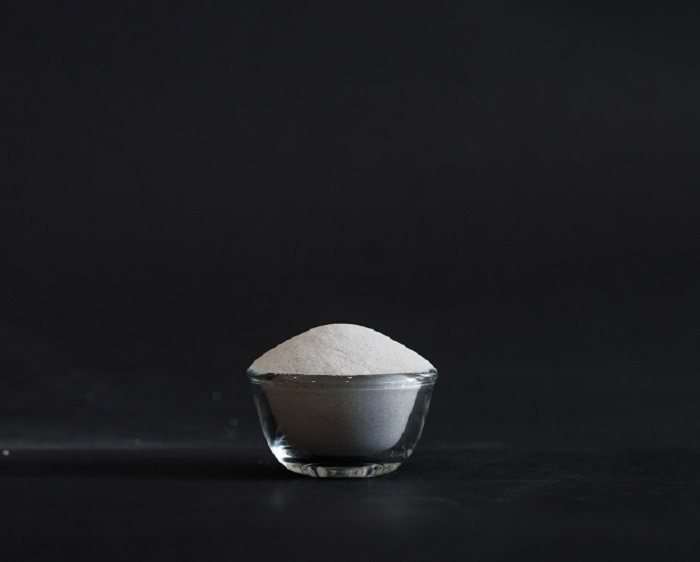
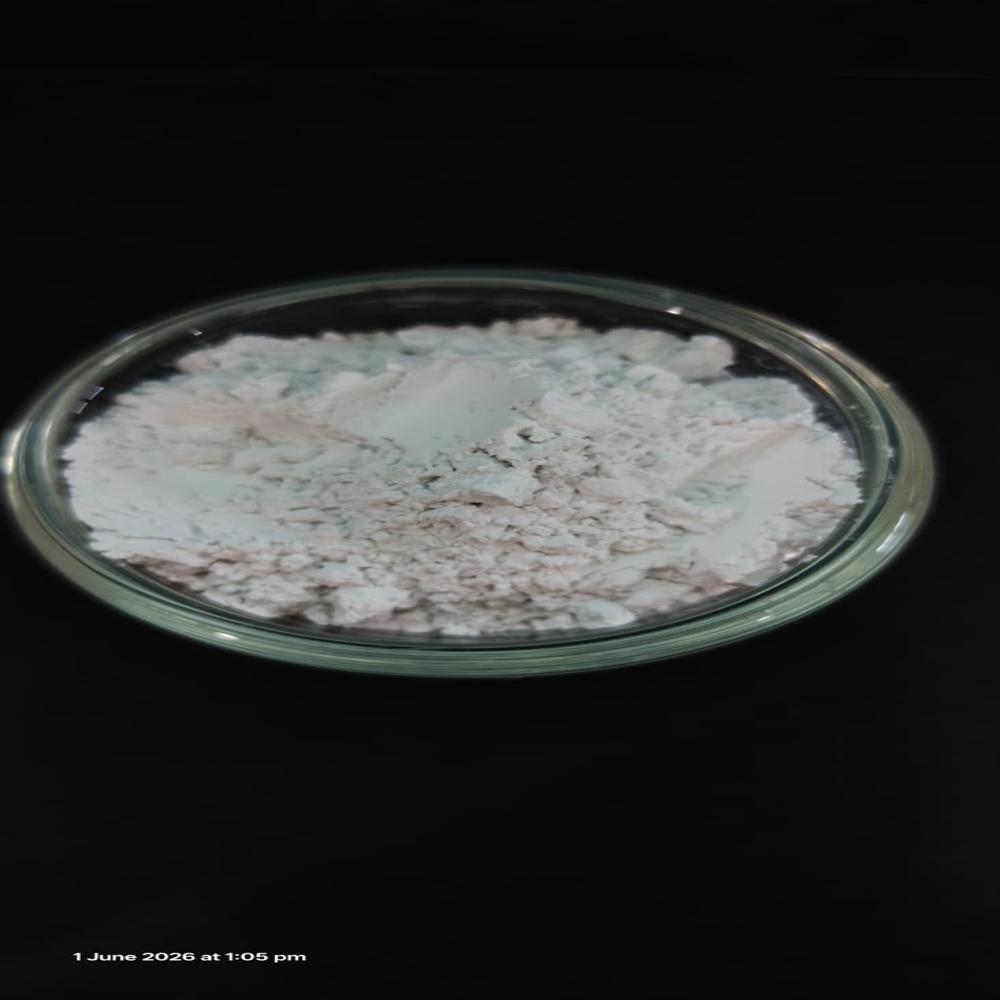
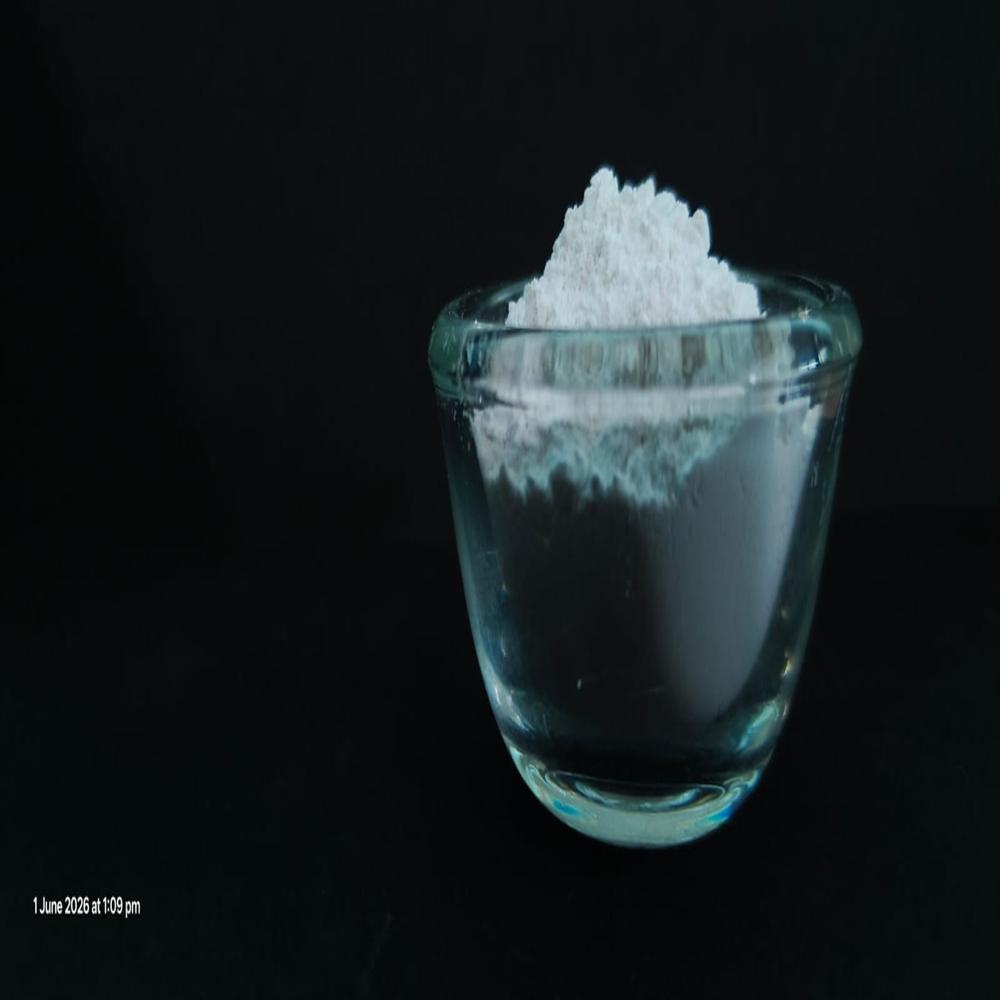
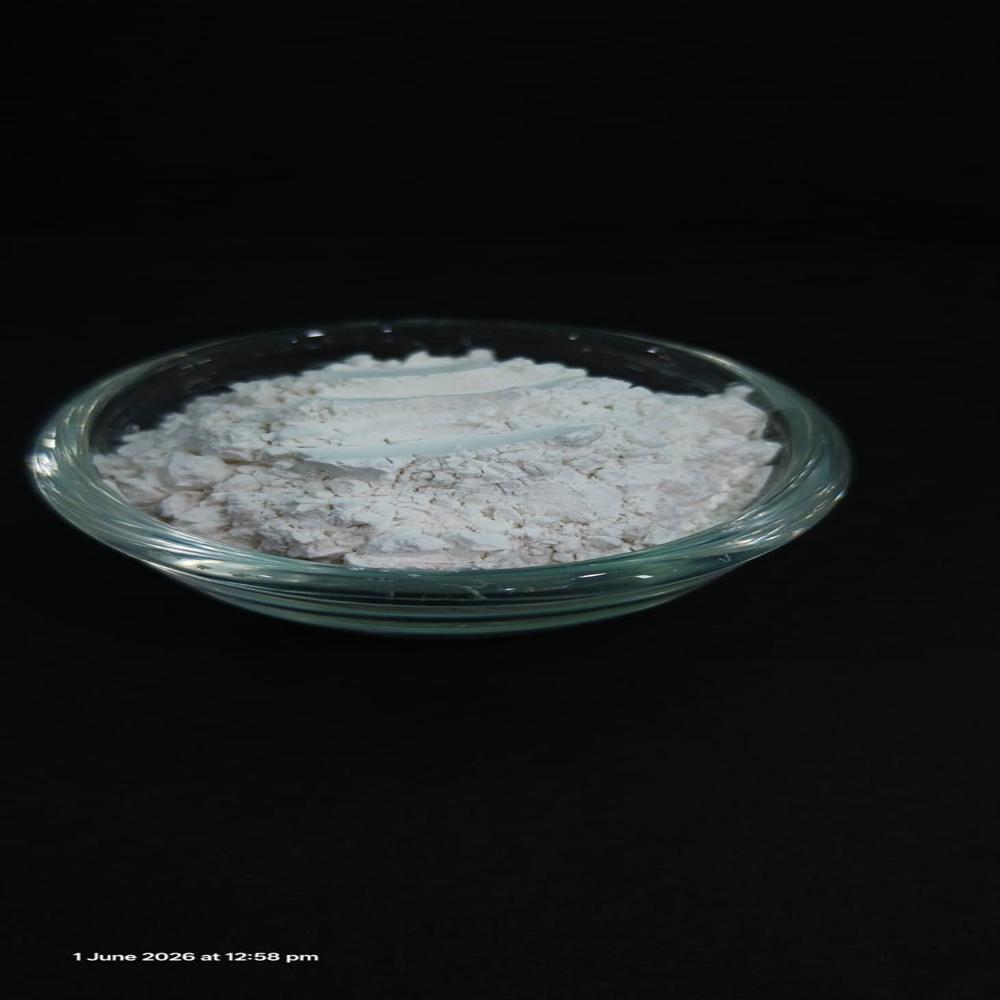
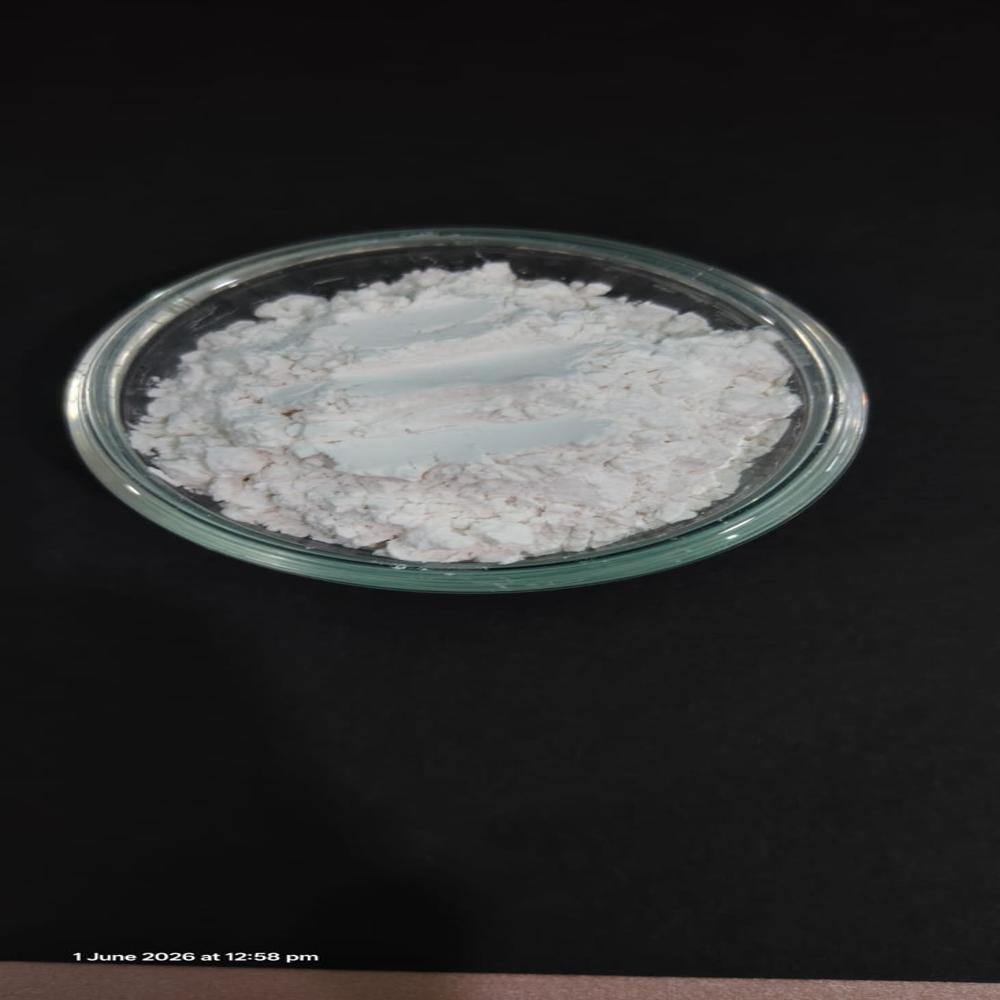
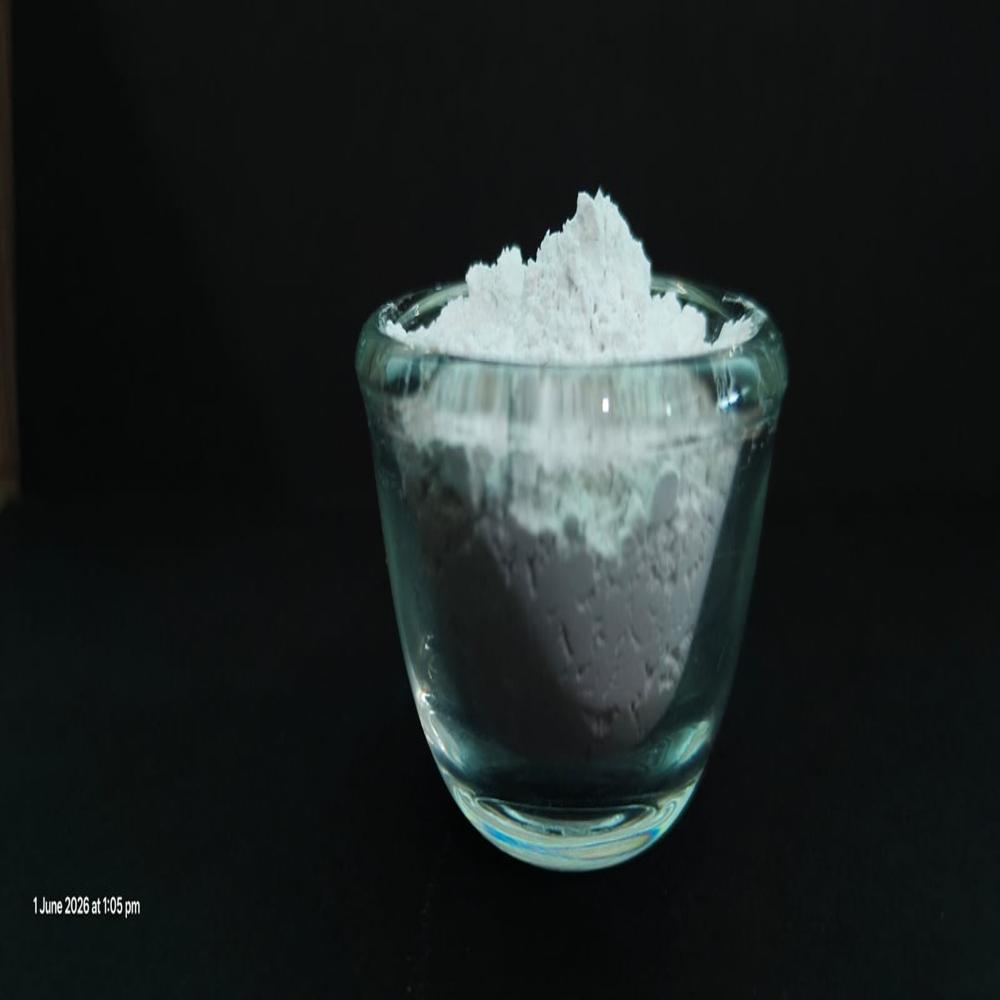
Quartz is a naturally occurring crystalline form of Silicon Dioxide (SiO), characterized by high hardness, chemical stability, and excellent resistance to thermal and mechanical stress. It is processed from high-purity quartz deposits through controlled crushing, grinding, and classification to achieve consistent particle size and quality. The product is available in lump, granular, or powder form and is widely used as a high-performance industrial mineral due to its high silica content and superior physical properties.
Certificate of Analysis:
The analyzed batch of Quartz complies with the specified quality requirements for industrial-grade applications. The product contains 99.2% Silicon Dioxide (SiO), meeting the requirements for high-purity quartz material.
The levels of impurities are within acceptable limits, including Aluminum Oxide (AlO) at 0.25%, Ferric Oxide (FeO) at 0.05%, Calcium Oxide (CaO) at 0.10%, Magnesium Oxide (MgO) at 0.05%, and Titanium Dioxide (TiO) at 0.03%. The Loss on Ignition (LOI) is 0.10%, indicating very low volatile matter content.
Based on the analytical results, the material conforms to industrial-grade Quartz specifications and is suitable for applications requiring high silica purity, chemical resistance, and thermal stability.
Chemical Analysis:
Applications:
Quartz is extensively used as a high-quality industrial raw material in glass manufacturing, ceramics, foundry applications, construction materials, engineered stone, silicon production, electronics, and refractory industries.
Due to its high silica content, excellent hardness, chemical inertness, and resistance to high temperatures, Quartz provides reliable performance in applications requiring durability, thermal stability, and consistent mineral quality.
High Purity and ConsistencyWith a chemical composition of up to 99.8% Silicon Dioxide, quartz powder stands out in applications demanding high purity and consistency. Its minimal water absorption and controlled trace mineral content make it a preferred raw material for manufacturers seeking reliability in every batch.
Wide Spectrum of Industrial ApplicationsQuartz powder plays a critical role in industries such as glass manufacturing, ceramics, foundries, construction, and electronics due to its durability and thermal stability. Its adaptable form and high melting point make it versatile for a multitude of processing environments.
Expert Manufacturing and Export from IndiaProduced using advanced processing techniques, our quartz powder maintains strict quality standards. As an exporter, manufacturer, and supplier, we facilitate reliable domestic and international distribution tailored to various industrial requirements.
FAQ's of QUARTZ POWDER:
Q: How is quartz powder manufactured and processed?
A: Quartz powder is produced by crushing, grinding, and finely milling natural quartz crystals. Advanced screening ensures precise particle size, while processing techniques reduce impurities to achieve the required chemical composition and high purity standards.
Q: What industrial applications use quartz powder most commonly?
A: Quartz powder is widely used in industries such as glass manufacturing, ceramics, foundry casting, construction materials, paints, and electronics, thanks to its high purity, thermal conductivity, and chemical stability.
Q: When should quartz powder be chosen over other mineral fillers?
A: Quartz powder should be selected when applications require superior hardness, low water absorption, excellent thermal resistance, and high purity, especially in processes sensitive to impurities or requiring heat stability.
Q: Where does the quartz powder originate and how is quality ensured?
A: The quartz powder is sourced and produced in India. Quality is maintained through stringent sourcing of raw quartz, advanced purification processes, and thorough laboratory testing for consistency and compliance with industrial standards.
Q: What are the core benefits of using quartz powder in manufacturing?
A: Key benefits include enhanced durability, improved thermal and chemical stability, and high resistance to wear. Its fine particle size enables smooth blending into industrial formulations and contributes to superior end-product quality.
Q: How does the presence of trace minerals affect quartz powder's performance?
A: Trace minerals, present only in very low amounts, have a minimal effect on the performance of quartz powder. The high content of Silicon Dioxide ensures that primary physical and chemical properties like hardness and stability are maintained.
 Send Inquiry


 Send Inquiry

 Send Inquiry
