About Lime Stone
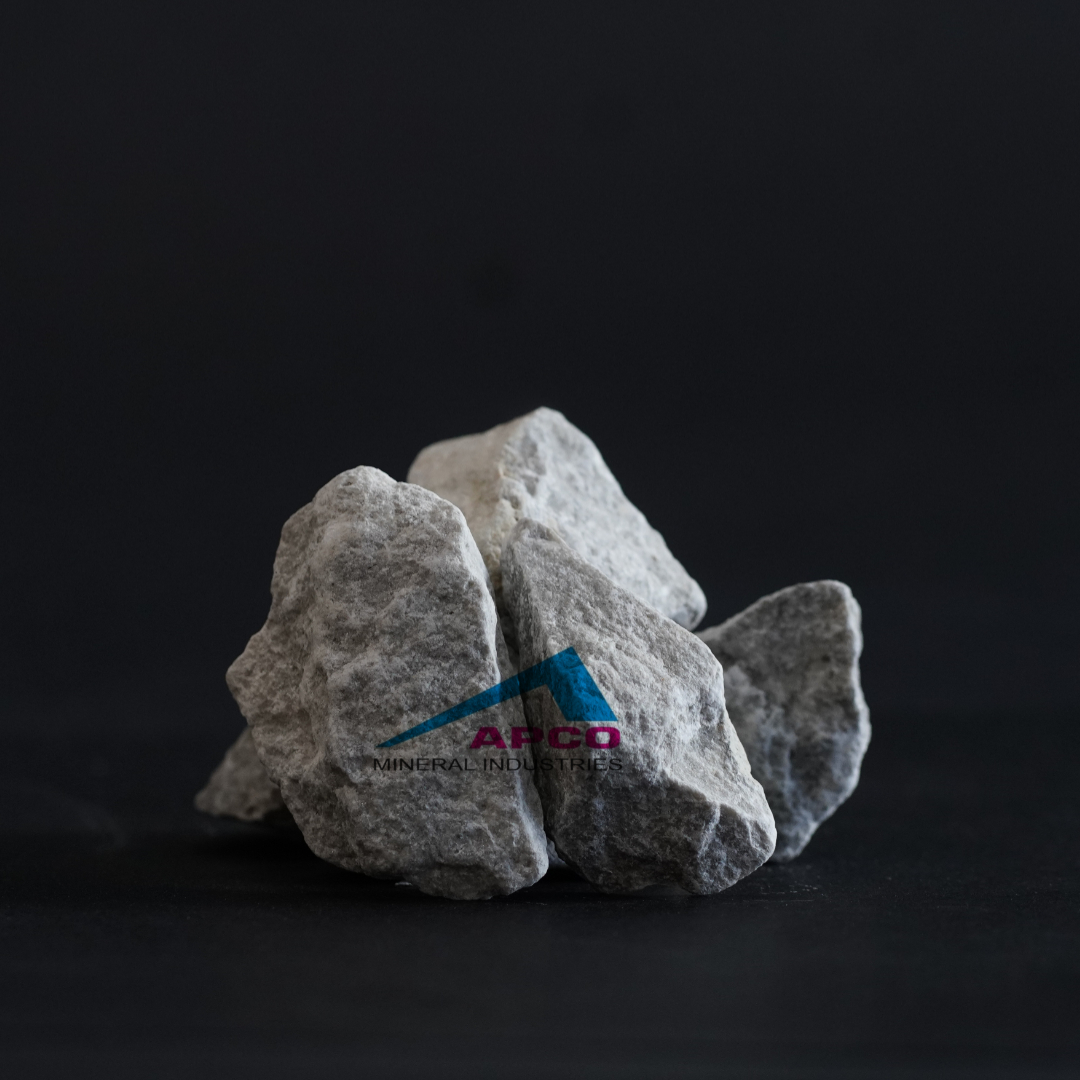
Limestone is rich in Calcium Contents with 95% CaCO3 Purity.
Application includes Adhesives, Sealants, Agrochemicals, Animal Feed, Aqua Famring, Ceramics, Construction Chemicals, Detergent, Oil and Drilling, Paints, Pesticides, Fertilizers, Rubber, PVC Pipes & Wall Putty.
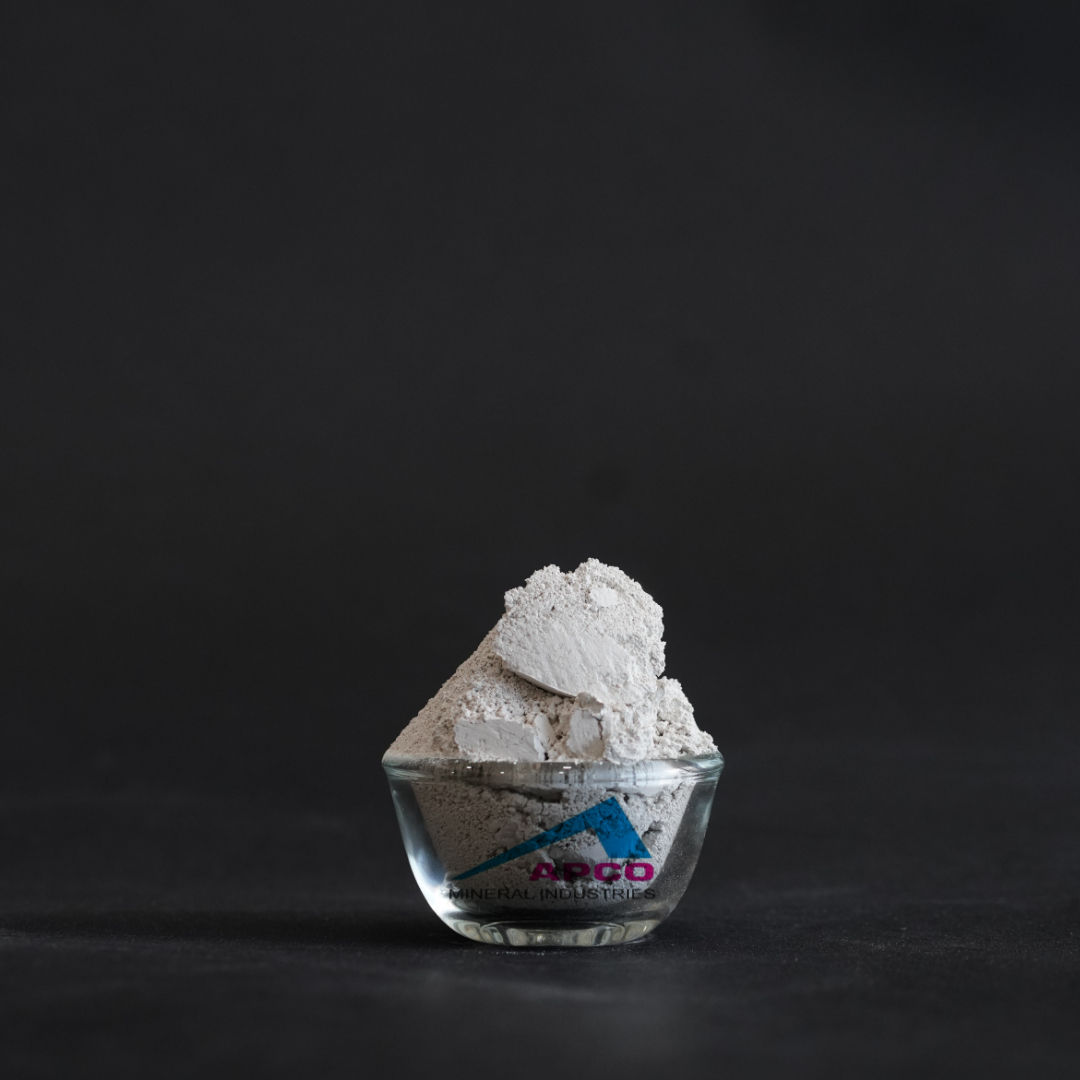
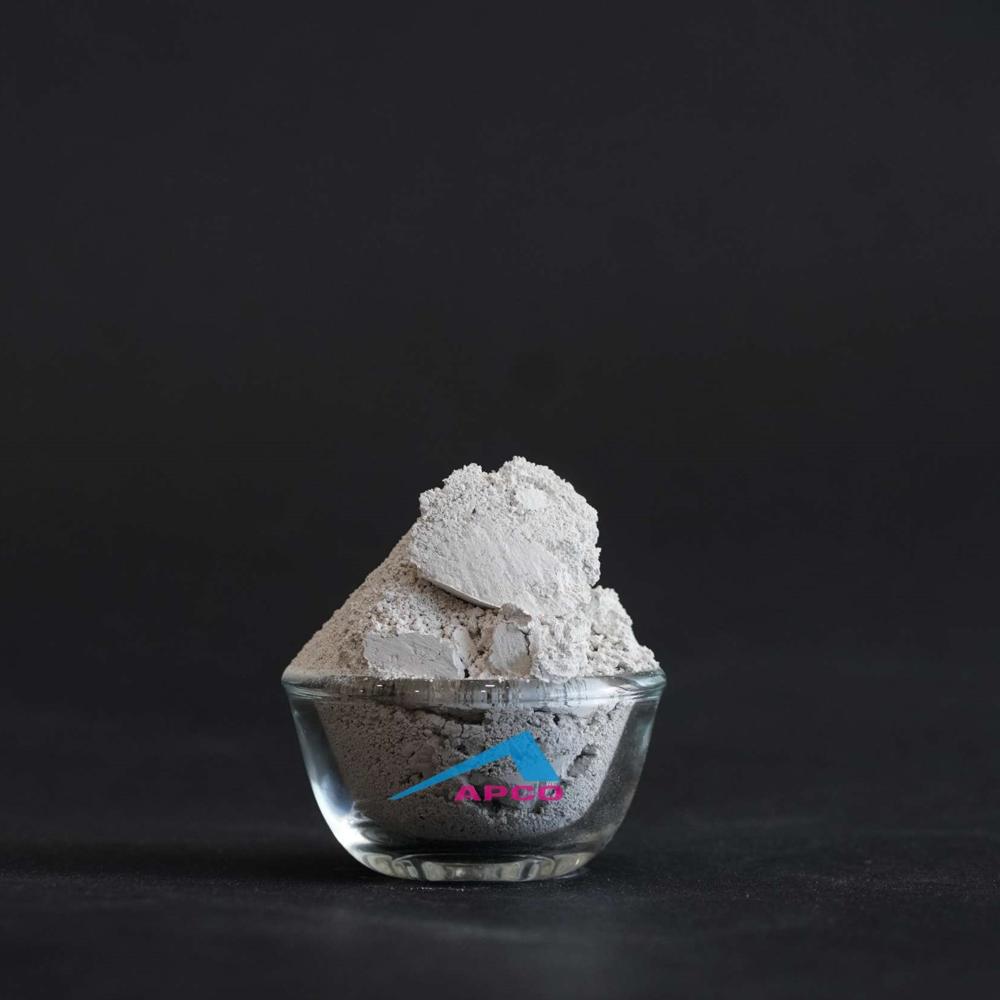
Key Features and Versatile ApplicationsThis limestone stands out due to its medium to high strength, rough natural surface, and excellent thermal conductivity. Designed for flexibility, it can be supplied in lumps or powder, tailored to meet the requirements of applications like construction, soil conditioning, steel, cement, and glass manufacture. Its stability and purity make it a preferred material for industries nationwide.
Safe Handling and Long-Term StorageGiven its basic refractory properties, our limestone should be maintained in a dry, cool environment. The product's moisture content is controlled at 2%, preventing deterioration and ensuring an indefinite shelf life if stored correctly. Packaging options, including loose, jumbo, and HDPE bags, are provided for convenience and optimal protection.
FAQ's of Lime Stone:
Q: How is the bulk density of Black Lime Stone beneficial for industrial applications?
A: The bulk density of 1.3 - 1.6 g/cm3 provides robust structural support and stability, making the limestone suitable for construction, cement, and steel industry operations where material strength and reliability are essential.
Q: What is the process for customizing particle size of the limestone?
A: Particle size can be adjusted based on customer requirements. Using advanced crushing and screening methods, the limestone is processed into specific sizes, whether for industrial powder applications or block usage in construction.
Q: When is it best to use this limestone in the steel or cement industry?
A: The limestone should be employed during the material preparation phase, where its medium to high strength and reactivity with acids are advantageous for processing steel and manufacturing cement, ensuring effective removal of impurities and improved final product quality.
Q: Where should Black Lime Stone be stored to maintain its quality?
A: Store the limestone in a dry, cool place to prevent moisture absorption and chemical alteration. Proper storage in jumbo or HDPE bags further extends its shelf life by protecting it from humidity and contaminants.
Q: What are the key benefits of using this limestone in agriculture?
A: In agriculture, this limestone is used for soil conditioning due to its alkaline pH value around 9, improving soil quality, neutralizing acidity, and boosting crop productivity by enriching calcium carbonate levels.
Q: How does the limestone's chemical composition impact its usage?
A: Primarily composed of CaCO3, the stone reacts with acids to release CO2, makes an effective flux in metallurgical processes, and maintains durability in building applications-assuring efficiency and versatility for diverse industrial uses.

 Send Inquiry



 Send Inquiry

 Send Inquiry
